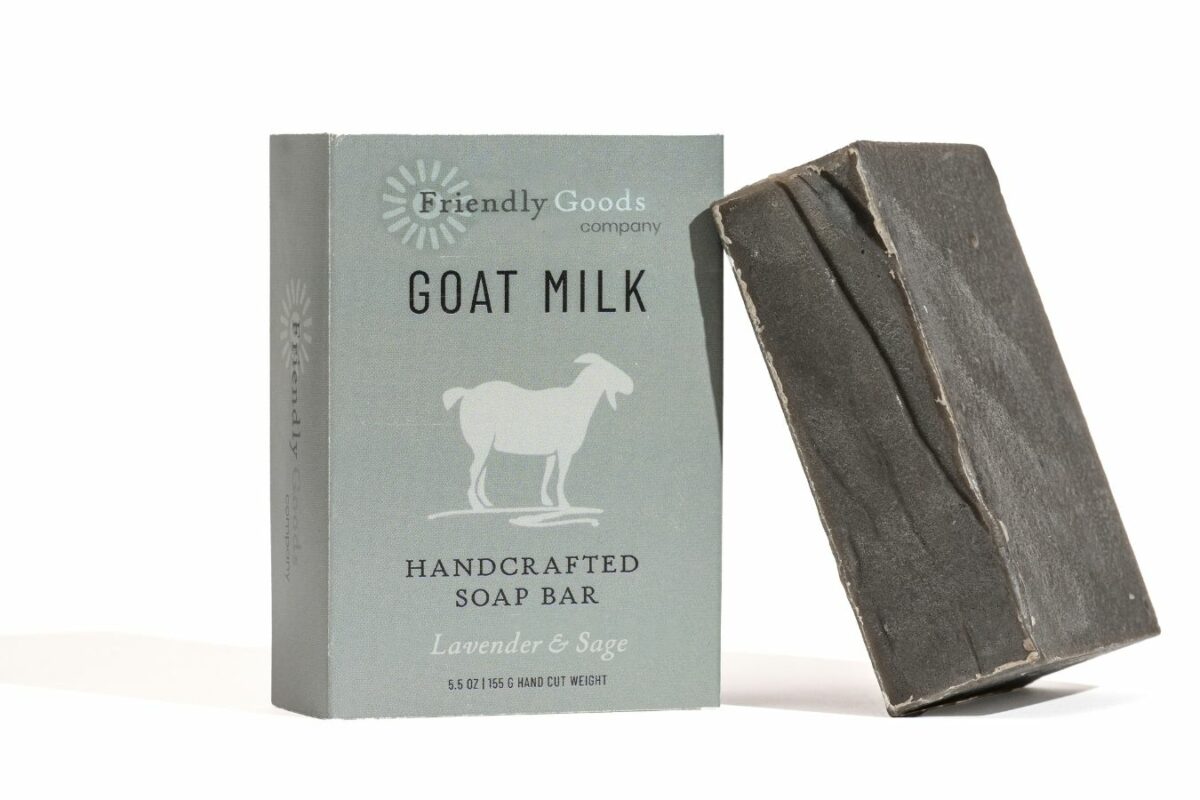
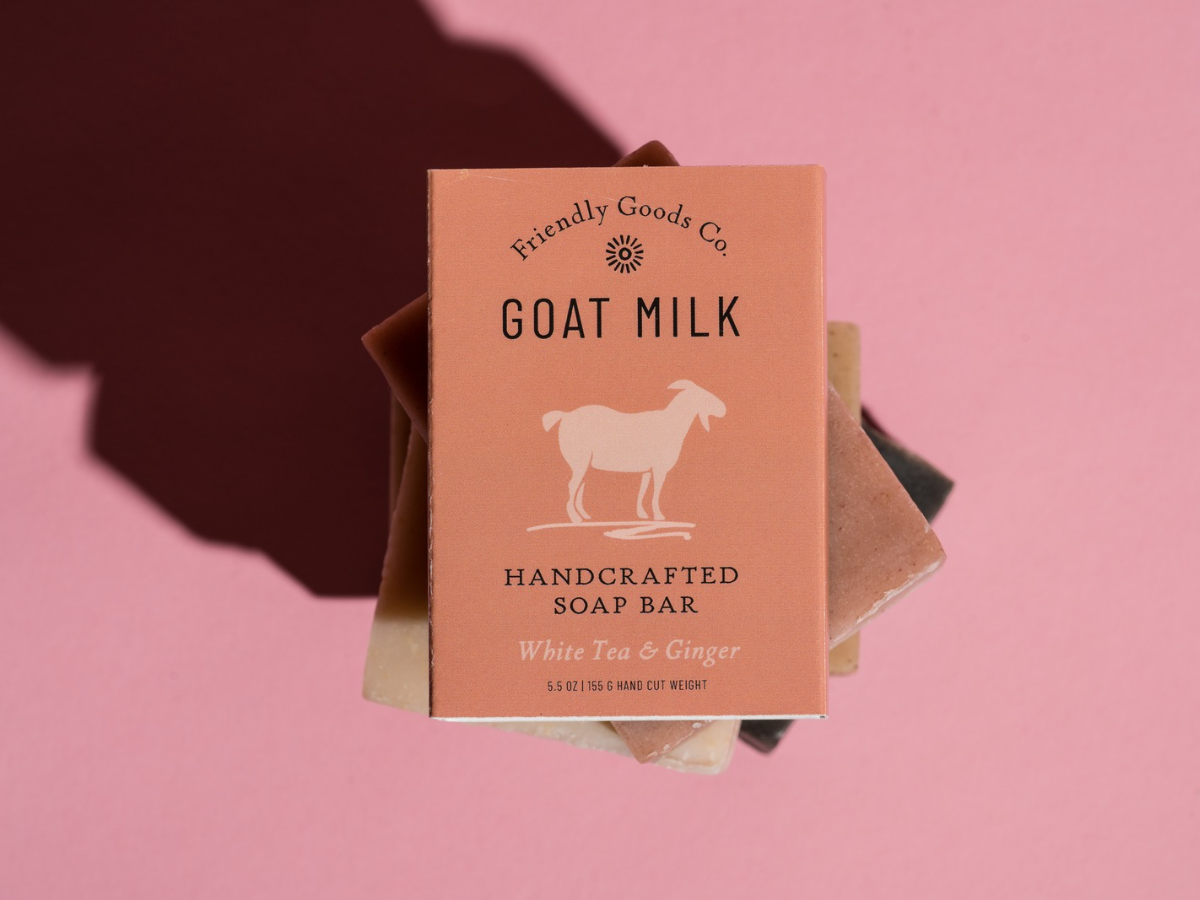
If you have sensitive skin, choosing a cleanser can feel like a gamble. Many body washes are marketed as “gentle” or “dermatologist-tested,” yet irritation, dryness, or tightness often persists. Over time, people start to wonder whether the issue is their skin—or the products themselves.
In reality, the difference often comes down to how cleansers are formulated, not just how they’re labeled. For people with sensitive skin, comparing goat milk soap to body wash reveals meaningful differences in ingredients, moisture retention, and irritation risk.
In many cases, goat milk soap bars are better tolerated than body wash because they rely on simpler formulas, fewer preservatives, and naturally moisturizing ingredients.
What Sensitive Skin Needs From a Cleanser
Sensitive skin is usually a sign that the skin barrier is compromised. When that barrier is weakened, moisture escapes more easily and everyday ingredients can trigger irritation.
From a formulation standpoint, sensitive skin generally responds best to cleansers that:
- Minimize disruption to the skin barrier
- Avoid unnecessary additives
- Clean effectively without over-stripping
In our experience evaluating soaps formulated for sensitive and reactive skin, most irritation complaints are not caused by washing itself—but by how aggressively the skin is cleansed and how complex the formula is.
How Body Wash Is Typically Formulated (and Why That Matters)
Body wash is a liquid product, and that single fact shapes its entire formula.
Because body wash is water-based, it requires:
- Preservatives to prevent bacterial and mold growth
- Synthetic surfactants to create lather and cleansing power
- Stabilizers to maintain texture and shelf life
When reviewing ingredient lists from popular “sensitive skin” body washes, we consistently see formulas built primarily to stabilize the product—not necessarily to support the skin barrier. Even fragrance-free versions often rely on stronger detergents to compensate for dilution.
This doesn’t make body wash “bad,” but it does increase the likelihood of irritation for people with already reactive skin.
How Goat Milk Soap Is Formulated Differently
Goat milk soap is made using traditional soap-making methods that don’t rely on added water or synthetic detergents.
Instead, cleansing comes from:
- Oils and fats that are transformed into soap
- Naturally occurring glycerin created during saponification
- Goat milk, which adds both moisture and skin-supporting nutrients
Because bar soap doesn’t require preservatives in the same way liquid products do, formulas are often shorter and simpler. We’ve found that people switching from body wash to goat milk soap frequently report less tightness after washing, especially during the first few weeks of use.
Goat Milk Soap vs Body Wash: Ingredient Comparison
One of the clearest ways to understand the difference is to look at what’s typically inside each product.
| Feature | Body Wash | Goat Milk Soap |
| Primary Base | Water | Oils and fats |
| Preservatives | Required | Typically not needed |
| Cleansing Agents | Synthetic surfactants | Saponified oils |
| Moisture Support | Added conditioners | Natural glycerin + goat milk |
| Ingredient Length | Often long | Typically shorter |
This difference in formulation plays a major role in how each product feels on sensitive skin over time.
Which Is Better for Moisture Retention?
Dryness is one of the most common complaints among people with sensitive skin, and it’s often mistaken for a skin condition rather than a cleansing issue.
Traditional soap-making methods retain glycerin, a natural humectant that helps draw moisture to the skin. Goat milk further supports moisture retention through its fat content and gentle exfoliating properties.
Across customer feedback and product testing, moisture retention is consistently the top reason people with sensitive skin continue using goat milk soap long-term, especially during colder or drier months.
Irritation Risk: Preservatives, Fragrance, and Overuse
Sensitive skin doesn’t always react immediately. Irritation often builds gradually through repeated exposure.
Three common contributors:
- Preservatives, which are necessary in liquid formulas but can be irritating for some skin types
- Fragrance, even when naturally derived
- Overuse, which is easier with liquid cleansers
Bar soap naturally limits overuse and typically contains fewer additives, reducing cumulative exposure—an important consideration for reactive skin.
Myth vs Fact: Bar Soap and Sensitive Skin
Myth: Bar soap is always drying
Fact: Dryness depends on formulation, not format. Well-made soap retains glycerin, which supports hydration.
Myth: Bar soap isn’t sanitary
Fact: Soap naturally breaks down bacteria and is safe when allowed to dry between uses.
Myth: Body wash is gentler by default
Fact: Many body washes rely on stronger detergents to compensate for their diluted, water-based formulas.
These myths persist largely due to outdated assumptions, not how modern soap is actually made.
So… Is Goat Milk Soap or Body Wash Better for Sensitive Skin?
For some people, a carefully chosen body wash can work just fine. But for those who experience ongoing dryness, irritation, or tightness, goat milk soap often proves to be the gentler option.
The key difference isn’t the format—it’s the formulation. Shorter ingredient lists, fewer preservatives, and naturally moisturizing components make goat milk soap a compelling choice for sensitive skin.
Rather than relying on marketing claims, paying attention to ingredients and how your skin responds over time is often the most reliable guide.
Not Sure Where to Start?
If you’re curious how goat milk soap feels on your own skin, start with one bar formulated for sensitive types and give your skin two weeks to adjust.
Explore Friendly Goods Goat Milk Soaps →
Frequently Asked Questions
In many cases, yes. Goat milk soap typically contains fewer preservatives and relies on gentler cleansing agents, making it easier for sensitive skin to tolerate.
While individual results vary, many people with dry or eczema-prone skin find goat milk soap less irritating than conventional cleansers due to its moisturizing properties.
Well-formulated goat milk soap retains glycerin and includes nourishing fats, which can help maintain moisture rather than strip it.
Yes. Many people with sensitive skin use goat milk soap daily without irritation, especially when the formula is simple and fragrance-free.
Yes. Soap is naturally cleansing and safe to use when allowed to dry properly between uses.